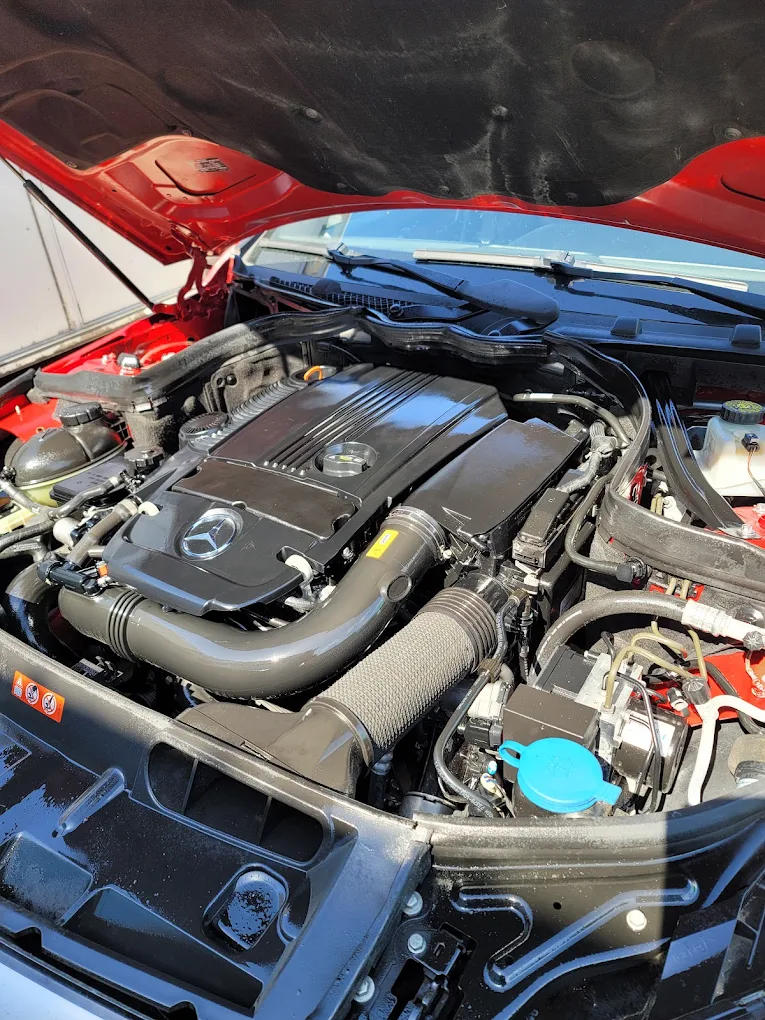
6 Signs Your Engine Is About to Fail (Don't Ignore These)
Your engine is the heart of your vehicle, and like any vital organ, it sends signals when something's wrong. If you've noticed unusual sounds, warning lights, or performance changes in your Sunrise, Florida home garage, your engine might be trying to tell you it needs help. Recognizing the signs of engine failure early can save you from a complete breakdown on the road and help you avoid costly repairs down the line.
The good news? Many engine problems start small. By learning what to watch for and taking action before things get worse, you can catch issues while they're still manageable. Let's walk through the most common warning signs that indicate your engine needs professional attention.
1. Check Engine Light and Dashboard Warning Indicators
That little light on your dashboard isn't just a suggestion—it's your engine's way of communicating. When the check engine light illuminates, it means your vehicle's diagnostic system has detected something abnormal. Don't ignore it, even if your car seems to be running fine otherwise.
Other warning lights to take seriously include the oil pressure light (usually an oil can symbol), temperature gauge moving into the red zone, or a battery warning light. Each of these indicates a different problem, but they all deserve immediate attention. Before calling for service, try to note when the light appeared and whether you noticed any changes in how your car feels or sounds.
2. Strange Noises Coming from Under the Hood
Your engine has a normal sound—one you hear every time you drive. If you suddenly notice knocking, grinding, hissing, or squealing noises, pay attention. These sounds often indicate internal problems like worn bearings, failing water pumps, or belt issues.
A metallic knocking that gets louder when you accelerate is particularly concerning and suggests internal engine wear. Hissing sounds might mean a coolant leak, while squealing typically points to belt problems. In Sunrise's hot climate, engine overheating is a real concern, so any unusual noise paired with temperature changes needs prompt evaluation.
3. Excessive Smoke or Fluid Leaks
If you notice blue, white, or black smoke coming from your exhaust, your engine is burning something it shouldn't—usually oil, coolant, or fuel. This is a sign of internal problems that need immediate professional diagnosis.
Similarly, fluids pooling under your vehicle when parked indicate leaks. While some leaks are minor, others signal serious trouble. Oil leaks, coolant leaks (watch for sweet-smelling puddles), and transmission fluid loss all affect engine performance and longevity. Check your driveway or parking spot regularly for stains or puddles—they're your first clue that something needs attention.
4. Loss of Power and Poor Performance
When your engine struggles to accelerate, feels sluggish on hills, or loses power during normal driving, it's telling you something is wrong internally. This could mean worn fuel injectors, failing spark plugs, a clogged air filter, or more serious internal issues.
Pay attention to changes in how your vehicle feels compared to normal. Difficulty starting, rough idle (shaking when stopped), stalling at traffic lights, or hesitation when pressing the gas pedal all point to engine problems. These symptoms often get worse over time, so addressing them early with engine repair near me Sunrise FL services can prevent complete failure.
What to Do Before the Mechanic Arrives
If you've noticed any of these signs of engine failure, here's how to prepare for professional service:
- Document the symptoms: Write down when problems started, what noises or warning lights you've seen, and describe how the car feels different than normal.
- Note your maintenance history: Have information ready about your last oil change, filter replacements, and any recent service work.
- Check fluid levels: Before calling, safely check your oil, coolant, and transmission fluid levels when the engine is cool. Low fluids can give mechanics important clues.
- Keep the vehicle safe: If you notice serious warning signs, avoid driving long distances. Park it safely and arrange for towing or mobile service to your Sunrise home.
- Describe the issue clearly: When you contact a mechanic, explain exactly when problems occur (cold starts, acceleration, idle) and what you observe.
Frequently Asked Questions
A: It depends on the underlying problem. If your engine is running normally with no other symptoms, it's usually safe for short distances, but you should get it diagnosed soon. If you notice performance issues, strange sounds, or overheating, stop driving and get professional help immediately.
A: Check your oil level monthly or before long trips, especially in Florida's heat where engines work harder. Regular oil checks help you catch leaks or burning early, preventing serious engine damage.
A: No. Engine problems only get worse over time. What starts as a minor leak or worn belt can develop into catastrophic failure if ignored. Early service prevents bigger, costlier repairs.
A: Turn off the air conditioning, turn on the heater to draw heat away from the engine, and safely pull over. Let the engine cool before opening the radiator cap, then call for help. Driving an overheated engine risks permanent damage.
Ready for help? Don't wait for a complete breakdown. If you've noticed any signs of engine failure, contact DEL MOBILE MECHANIC today and let our Sunrise team diagnose and fix your engine issues before they become worse.